
The Hidden Crisis: Mental Health and Children Growing Up in Poverty
When we talk about supporting underprivileged children, we typically talk about school fees, books, and meals. These things are essential. But there is a dimension of children's wellbeing that is almost never discussed: mental health.
The Psychology of Poverty Research in developmental psychology has established clearly that chronic poverty generates chronic stress, in adults and in children alike. The uncertainty of not knowing where the next meal comes from, the shame of not having what peers have, the fear of a parent who is overwhelmed and volatile: these are not background noise. They are foreground experiences that shape a child's developing brain.
Children raised in chronic stress show measurable differences in: - Cognitive development and working memory - Emotional regulation, the ability to manage feelings and impulses - Social bonding and trust in adults - Academic performance, not because of reduced intelligence, but because of reduced cognitive bandwidth
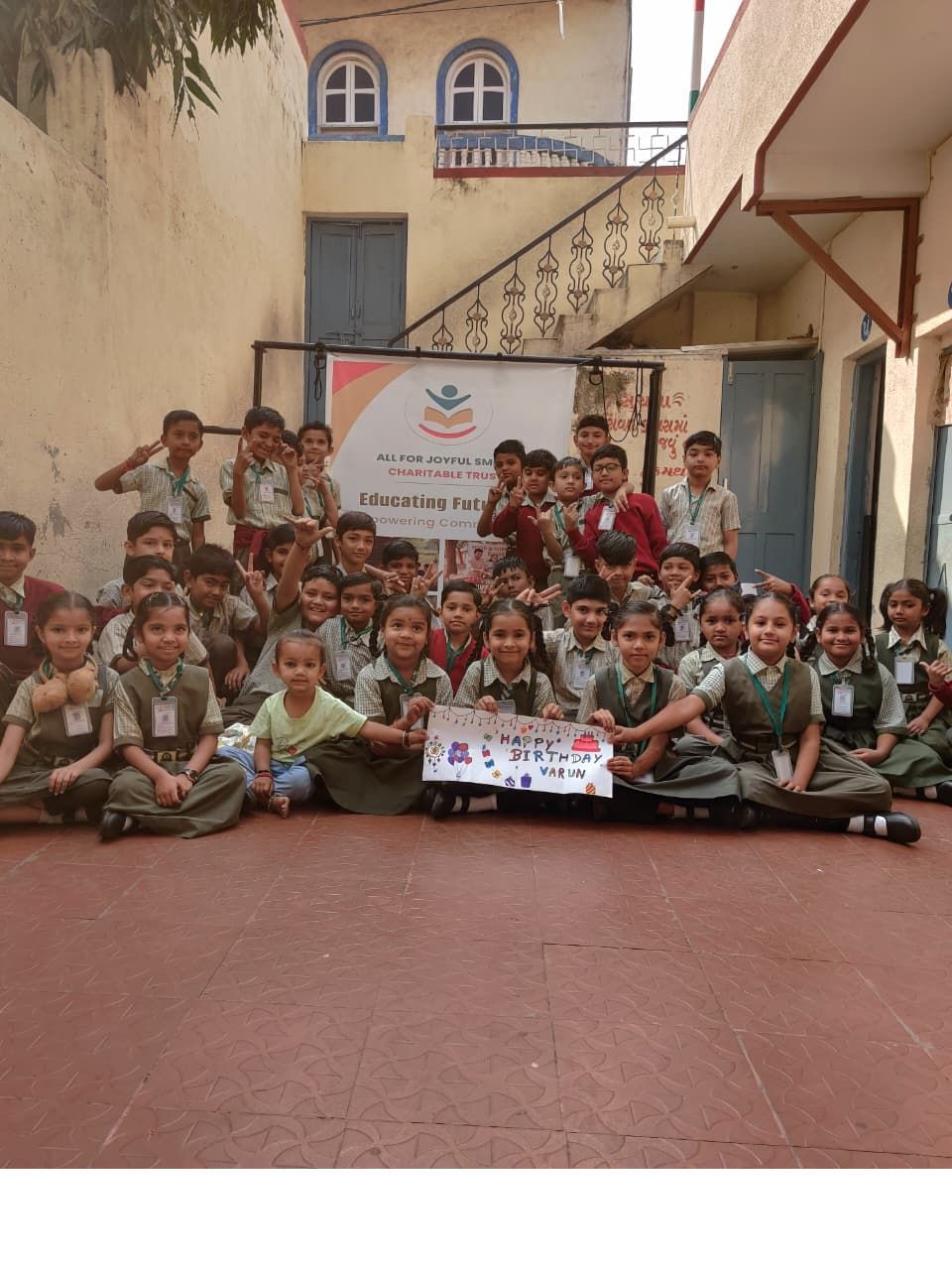
What We See in Practice In the children we work with, we see these patterns regularly. A child who cannot sit still in class is not being disruptive. They may be responding to a chaotic home environment. A child who cannot focus on homework has not inherited a learning disability. They are managing anxiety that would challenge any adult.
Our volunteer tutors are trained to recognise and respond to these signs. We work with a simple but powerful principle: safety first. A child who feels safe in our after-school space can begin to learn.
What AFJS Trust Is Building We are developing partnerships with mental health professionals who can provide counselling support to the most vulnerable children in our programmes. This is resource-intensive and we are doing it carefully.
In the meantime, our community spaces, including tutoring centres, nutrition drive venues, and family welfare sessions, are deliberately designed to be warm, consistent, and predictable. For a child whose home life is chaotic, predictability itself is therapeutic.
We cannot address the root causes of poverty overnight. But we can provide safe havens within it.
John Dsouza
Founder & Secretary, AFJS Charitable Trust · Bhavnagar, Gujarat
John Dsouza grew up in Bhavnagar and founded AFJS Trust after witnessing the hardships of underprivileged children in his hometown. He leads day-to-day operations and programme delivery.
Ready to make a difference?
Your donation directly funds the work described in this article.